


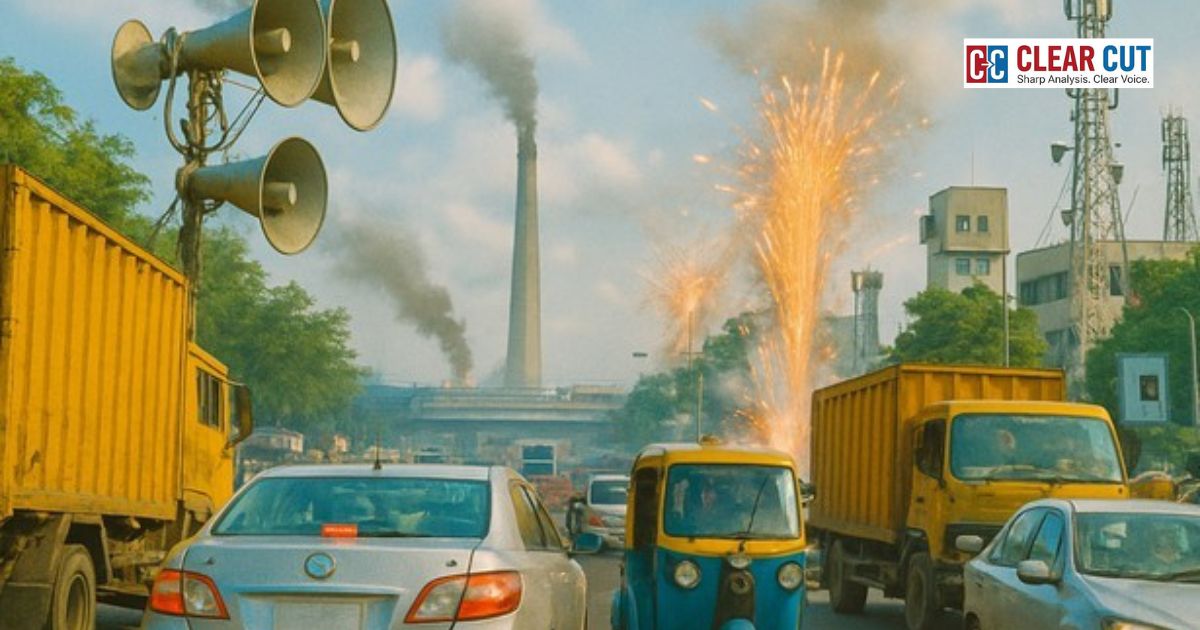
As India urbanizes faster than almost any other country in the world, our cities are failing to provide the emotional safety nets we need across all age groups. Urbanization in India has ushered in economic growth and infrastructural development, yet it has also introduced significant emotional and psychological challenges for its residents.
Mental health concerns are increasingly prominent in urban India. According to the National Mental Health Survey of India (2016), the prevalence of common mental disorders (CMDs) such as depression and anxiety stands at 5.1%, with the highest rates observed among females and individuals aged 40-59 years residing in metropolitan areas. Alarmingly, approximately 80.4% of those affected by CMDs do not receive adequate treatment, highlighting a significant treatment gap. Let’s unpack the mind with distress and explore the remedies which would benefits.
Mental Health in Urban Children:
India’s rapid urbanization-marked by increasing migration to densely populated cities like Mumbai, Delhi, and Bengaluru-has brought with it significant mental health challenges for children. The country’s urban youth, especially those from marginalized or economically weaker sections, are uniquely vulnerable to a complex web of environmental, digital, and social stressors. We often say that childhood is most carefree and wonderful times of the lives, however, in urban cities children are mostly attached to screens rather than running, playing in parks or playgrounds.
Urban parents stretched thin by the work, often rely of the screens as pacifiers. Add to this pressure from schools, tuition classes, extracurricular activities classes, and you have child showing signs of anxiety, attentions deficits, hyperactivity, impulsivity, anger outbursts, loneliness, etc. Children in Indian cities are often exposed to chronic air pollution, traffic congestion, and noise from construction and vehicles-stressors that impact brain development, behavior, and sleep. Cities like Delhi frequently record PM 2.5 levels far exceeding WHO limits, which has been associated with respiratory distress, higher anxiety and cognitive delays in children.
Many Indian urban neighborhoods lack adequate green spaces. In a city like Mumbai, the per capita green space is as low as 1.24 square meters, far below the WHO’s recommendation of 9 square meters (UN-Habitat, 2021). This limits children’s opportunities for play, exploration, and cognitive restoration, critical for early development.
India witnessed a digital explosion during the COVID-19 lockdowns, with screen time among children rising sharply. Surveys report that more than 50% of urban Indian children aged 6-14 spend over 3 hours daily on screens (QoC, 2024). This trend is linked to increased anxiety, sleep disturbances, and reduced face-to- face interaction, especially in households where parents themselves are digitally over- engaged or working remotely.
Urban inequality compounds these challenges. Children in wealthier neighbourhoods may have access to gated gardens, sports facilities, and private tuition, while those in informal settlements lack basic infrastructure. Research shows that children from underprivileged Indian households are more likely to experience multiple environmental hazards simultaneously-pollution, lack of green space, poor sanitation-all contributing to mental health vulnerabilities.
Rethinking Indian Urban design for Children:
To safeguard children’s mental health, Indian cities must embrace child-sensitive planning. Recent government initiatives such as the “Nagar Van” (Urban Forests) scheme and Smart Cities Mission now incorporate child-friendly features, including open play areas, pedestrian safety, and noise reduction zones. However, their implementation remains uneven.
Indian research supports incorporating sensory-friendly spaces, clear signage, and inclusive public infrastructure in schools and parks for children with autism and ADHD. A UNICEF (2022) India report further confirms that green exposure improves children’s sleep, reduces emotional volatility, and enhances self- regulation and academic engagement-benefits that are especially pronounced among children from socioeconomically disadvantaged backgrounds. Green spaces have been shown to significantly improve children’s attention, reduce behavioural issues, and promote emotional resilience.
Young Adults:
India’s urban youth are living through a profound emotional paradox. They are surrounded by opportunity, yet drowning in pressure. In today’s fast-paced world, marked by academic rigor, career uncertainty, digital perfectionism, and shifting societal expectations, young adults find themselves in a constant state of striving, often at the expense of their mental health. From early education to postgraduate studies, the Indian academic system places an overwhelming emphasis on grades. In urban cities, prestigious coaching hubs such as those in Kota, Hyderabad, and Delhi produce high scorers but often at the cost of mental well-being. Relentless testing, and a persistent fear of failure. Instead of learning, many are cracking under pressure. The consequences are devastating. In 2023 alone, over 25 student suicides were reported in Kota, reflecting a toxic culture where academic failure is equated with personal failure. Unfortunately, schools and colleges rarely prioritize emotional intelligence, life skills, or creativity. Instead, they reinforce a system rooted in competition, rote learning, and standardized testing.
Even after securing academic qualifications, many young urban Indians face a challenging and unstable job market. Youth unemployment in urban India has exceeded 17% (CMIE, 2024), and underemployment is even more widespread. Despite holding degrees, many young adults remain underpaid, professionally uncertain, or trapped in insecure gig jobs.
This economic instability deeply affects mental health. It often leads to low self-worth, early- onset burnout, and delays in achieving key life milestones like financial independence, marriage, or home ownership. Many find themselves torn between traditional family expectations and a modern job market that increasingly values flexibility and skill diversity over academic pedigree. Although platforms like Instagram, LinkedIn, and Twitter offer connectivity, they often end up amplifying feelings of loneliness, inadequacy, and insecurity.
These platforms promote curated realities, highlight reels that make every day struggles seem like personal failures. Likes and follows become measurements of self-worth. The pressure is even more intense for women and LGBTQ+ individuals, who often face online harassment, body shaming, and unrealistic standards of success and appearance. For many, digital life becomes a relentless and emotionally exhausting comparison game.
Despite rising awareness, access to mental health care in India’s urban cities remains both limited and stigmatized. Therapy sessions often cost between Rs. 800 and Rs. 2,500, placing them out of reach for students and early-career professionals. Most universities have only one counsellor available for thousands of students, and proactive mental health education is almost entirely absent from academic curricula.
Social stigma further prevents many from seeking help. Young people fear being labelled “weak,” “unstable,” or “mentally ill,” leading them to suppress their struggles rather than seek support. Real stories from across Indian cities bring this crisis into stark focus.
These stories are not isolated-they are becoming alarmingly common in India’s rapidly urbanizing landscape.
To address this growing mental health crisis among urban youth, we must rethink how we define success and reshape the support systems available. Mental health education must be integrated into school and college curriculums as part of life skills development.
Peer-support groups can serve as safe, informal spaces where students and young professionals can speak openly and without fear. Affordable and anonymous therapy platforms must be promoted and, where possible, subsidized, especially for financially vulnerable youth. Career counselling should expand beyond resume building and placements, it should include emotional preparedness, alignment with personal values, and long-term well-being. Finally, digital literacy programs should be introduced to help young people understand the distortions of social media, manage online stress, and build healthier digital habits.
Older Adults:
In Indian cities, the traditional joint family system is steadily giving way to nuclear households, leading many older adults, especially in metropolitan areas like Delhi, Mumbai, Chennai, and Bengaluru, etc. where they live alone or without close social support. While physical proximity may exist in dense urban settings, emotional and social disconnects are increasingly prevalent.